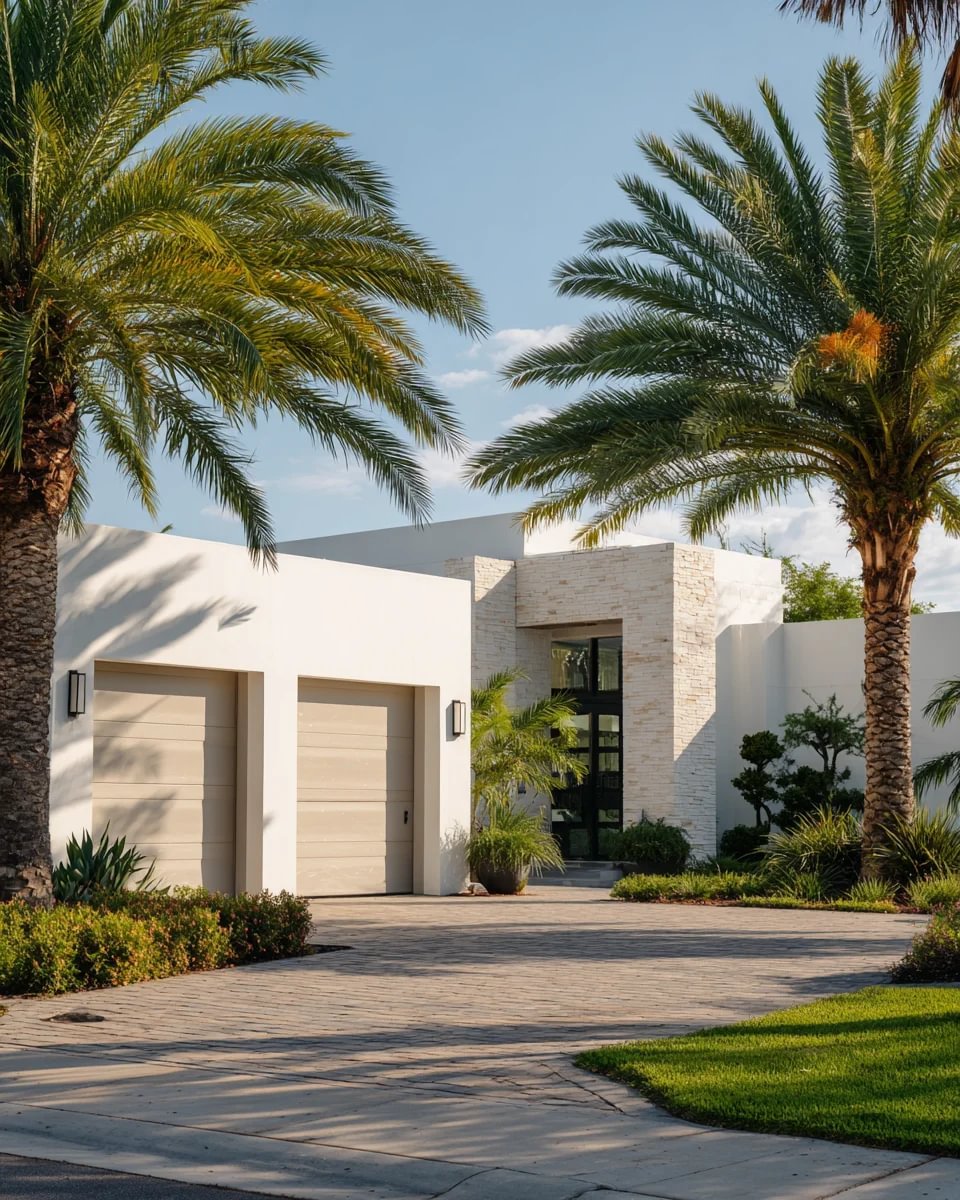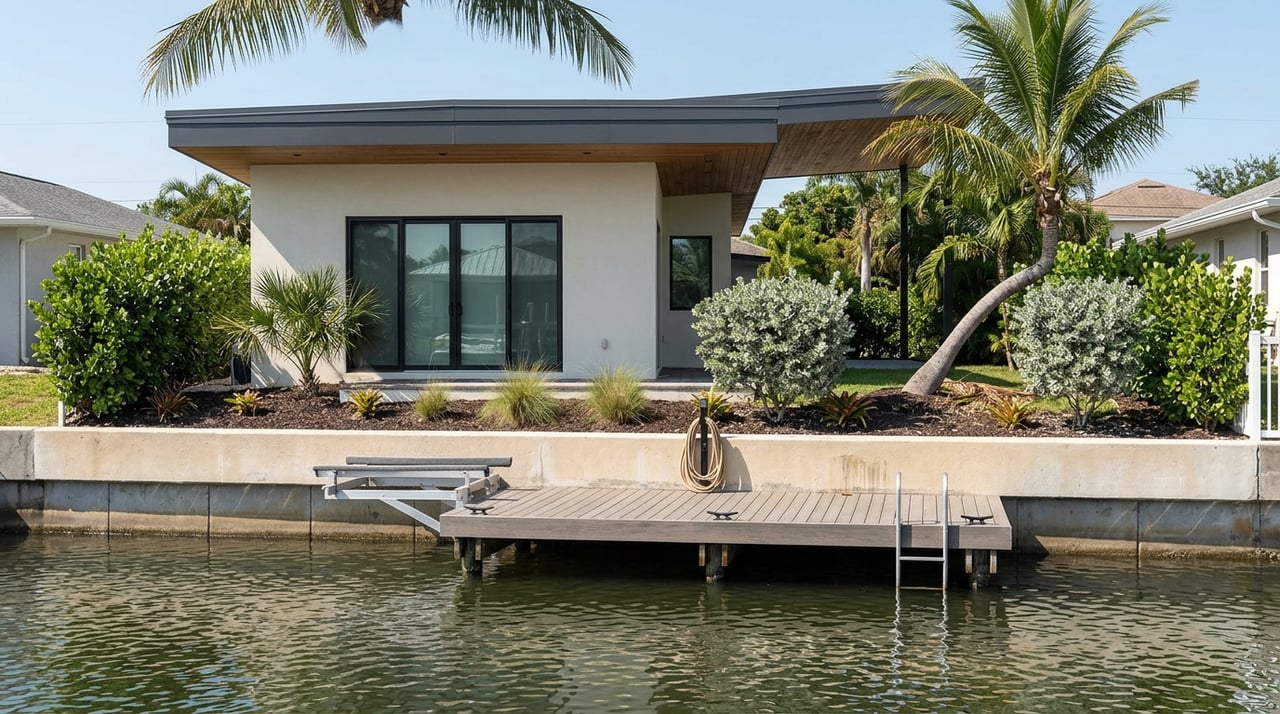
If you are shopping for a home in Port Charlotte, “waterfront” can mean a lot more than one thing. You might picture wide harbor views, a quiet canal with a dock, or a home off the water that still keeps boating within easy reach. Knowing the difference matters, especially when you are balancing lifestyle, upkeep, flood planning, and long-term value. Let’s dive in.
Port Charlotte Waterfront Basics
Port Charlotte is a water-oriented part of Charlotte County with more than 165 miles of man-made waterways, according to the Florida Department of Environmental Protection. That creates a broad range of living options, not one single waterfront experience.
In practical terms, buyers usually compare four setups: open-water homes, harbor-view homes, canal-front homes, and dry-lot homes near ramps or marinas. Each option comes with a different mix of views, boating convenience, storm exposure, and maintenance.
Open-Water Homes in Port Charlotte
Open-water homes are often the most view-driven choice. If you want broader water vistas and less time navigating through canals, this type of property can feel like the most direct connection to the harbor lifestyle.
That said, the tradeoff is usually greater exposure. Charlotte County describes the area as low-lying and surrounded by water, so flood zone, elevation, insurance, and evacuation planning should be part of your search from day one.
Why buyers like open-water living
Open-water homes can appeal to buyers who want:
- Wide water views
- A strong sense of openness
- Faster boating access compared with some canal routes
- A property where the setting is a major part of daily life
What to look into early
Before you get attached to a specific home, ask about:
- The property’s flood zone
- Whether an elevation certificate is available in NAVD88
- Insurance requirements tied to the location
- Evacuation planning for the area
Charlotte County notes that FEMA maps identify high-risk A and V zones, and flood insurance is required for federally backed mortgages in those zones. The county also says Coastal A zones are regulated to V-zone standards.
Canal-Front Homes and Canal-Access Living
Canal homes are often the middle ground in Port Charlotte. You may get waterfront enjoyment, room for a docked boat or paddle craft, and a more protected setting than fully open-water frontage.
For many buyers, this is where Port Charlotte’s canal network really stands out. You can enjoy the feel of waterfront living without necessarily taking on the same level of exposure as a home directly on open water.
Why canal homes attract buyers
Canal-front and canal-access homes can offer:
- Private waterfront at home
- Space for docks or lifts, depending on the property
- A more sheltered feel than open-water frontage
- Everyday convenience for boating, kayaking, or paddleboarding
Canal homes require more due diligence
A canal property is not just about the view from the backyard. It is also about the condition and legal status of the improvements that make waterfront living work.
Charlotte County treats docks, dock additions, boatlifts, and seawalls as separately permitted improvements. County notices also show that electrical work tied to dock and boatlift systems must be properly permitted and inspected.
That means you should ask the seller for:
- Dock permits
- Seawall permits, if applicable
- Final inspections
- Surveys
- Repair or replacement records
- Records for boatlift or dock electrical work
Ask how the canal is maintained
Not every canal works the same way. Charlotte County has canal-maintenance activity in place, including the Northwest Port Charlotte Waterway Unit for dredging, clearing, marking, and safety devices, plus a separate sediment-removal project for older freshwater canals created in the 1950s and 1960s.
That is why it is smart to ask whether the canal is part of an MSBU or MSTU, whether dredging is planned, and whether any assessments are attached to the property. It is also important to know that the Northwest Port Charlotte Waterway Unit does not maintain seawalls.
Dry-Lot Homes Near Water Access
You do not have to own a waterfront lot to enjoy a boating lifestyle in Port Charlotte. For many buyers, a dry-lot home near a ramp or marina can be the practical sweet spot.
This option can reduce some of the cost and upkeep tied to private docks and seawalls while still keeping you close to the water. If you boat occasionally, or you would rather store your vessel elsewhere, this can be a very workable setup.
Public ramps and parks matter here
Charlotte County operates public access points such as Butterford Waterway Park and Spring Lake Park, both with boat ramps. The county parks system also includes El Jobean Boat Ramp and Port Charlotte Beach Park as waterfront recreation sites.
Charlotte County’s parking page lists boat ramps as open 24 hours a day, seven days a week. That kind of access can make an off-water home feel much more convenient than buyers expect at first.
Marinas can replace private dock ownership
In the broader Charlotte Harbor market, marina options listed by FWC include Gulf Coast Marine Center in El Jobean, Punta Gorda Marina, Laishley Park Municipal Marina, and Fisherman’s Village Yacht Basin. For some buyers, that means you can trade private dock ownership for marina-based convenience.
Marina slips also shift much of the maintenance burden away from the homeowner. FWC’s Charlotte Harbor guide marks Clean Marina and pump-out designations, which can be useful if those features matter to you.
Comparing Your Waterfront Options
The best fit usually comes down to tradeoffs. Port Charlotte waterfront living is less about finding the “best” category and more about matching the property to how you actually plan to live.
| Option | Best For | Main Benefits | Key Tradeoffs |
|---|---|---|---|
| Open-water home | Buyers focused on views and direct water feel | Broad vistas, less canal travel | Greater exposure, more flood and storm planning |
| Canal-front home | Buyers who want a dock-at-home lifestyle | Protected setting, private waterfront use | Permits, upkeep, canal condition questions |
| Canal-access home | Buyers wanting water proximity with practical use | Balance of access and setting | Route, depth, and bridge-clearance review |
| Dry-lot near ramps or marinas | Buyers who want boating without a waterfront lot | Lower private waterfront upkeep, flexible access | No at-home dock convenience |
Boating Access Is About More Than Distance
A home can look close to the water on a map and still function very differently for your boat. That is why boating access should be evaluated by route, not just by address.
FWC advises boaters to plan routes in advance and use nautical charts for depth and bridge-clearance checks. If you are buying with a specific vessel in mind, this question is not optional.
Questions to ask about boat use
As you compare homes, ask:
- What route will the boat use from this property?
- Are depth and bridge clearances adequate for your vessel?
- If you are not keeping a boat at the home, which ramp or marina will you use most often?
- Is private dock ownership worth the upkeep for how often you boat?
These questions can quickly narrow your options in a helpful way. They also keep you focused on day-to-day usability, not just listing photos.
Flood Risk and Storm Planning in Charlotte County
Flood risk is part of the waterfront conversation in Port Charlotte, whether you are considering open water, a canal, or even an off-water home close to low-lying areas. Charlotte County’s flood guidance makes it clear that A and V zones carry added insurance and construction considerations.
The county also warns that Charlotte County is very low-lying and may not be able to open shelters, so evacuation planning should be taken seriously. That does not mean waterfront ownership is off the table. It means smart buyers plan ahead.
Waterfront due diligence checklist
Before you move forward on a home, make sure you review:
- Flood zone information
- Elevation certificate availability in NAVD88
- Insurance implications for the property
- Permit history for docks, lifts, seawalls, and related electrical work
- Canal maintenance district information, if applicable
- Any known dredging, sediment, or assessment issues
This kind of review helps you compare properties more clearly. It can also prevent surprises after closing.
How to Choose the Right Port Charlotte Setup
If your top priority is the view, you may lean toward open water. If your top priority is keeping a boat behind the house, a canal-front property may make more sense.
If you want boating access without taking on every waterfront responsibility, a dry-lot home near a ramp or marina could be the smarter fit. The right choice depends on how often you boat, how much upkeep you want, and how comfortable you are managing flood and infrastructure questions.
A thoughtful home search in Port Charlotte should go beyond “waterfront” as a label. When you compare access, permits, flood factors, and maintenance side by side, it becomes much easier to see which option fits your lifestyle and budget.
If you want help sorting through Port Charlotte waterfront and canal options, Eric Decker can help you compare homes with a practical, local perspective.
FAQs
What types of waterfront homes are available in Port Charlotte?
- Port Charlotte buyers typically compare open-water homes, harbor-view homes, canal-front homes, canal-access homes, and dry-lot homes near public ramps or marinas.
What should buyers ask about canal homes in Port Charlotte?
- Ask whether the property has a dock, lift, or seawall, whether permits and final inspections are available, and whether the canal is part of a maintenance district with any planned dredging or assessments.
What flood questions matter for Port Charlotte waterfront homes?
- You should ask about the flood zone, whether an elevation certificate is available in NAVD88, and how the location may affect insurance requirements and evacuation planning.
Can you enjoy boating in Port Charlotte without buying waterfront?
- Yes. Dry-lot homes near places like Butterford Waterway Park, Spring Lake Park, El Jobean Boat Ramp, and marina options in the Charlotte Harbor area can still support a boating lifestyle.
Why are permits important for Port Charlotte docks and seawalls?
- Charlotte County treats docks, dock additions, boatlifts, and seawalls as regulated improvements, and related electrical work for dock and boatlift systems must also be properly permitted and inspected.
How do buyers compare Port Charlotte boating access between homes?
- Buyers should look at the actual boating route, including depth and bridge clearance, and decide whether private dock access, marina storage, or public ramp use best fits how they plan to use their boat.