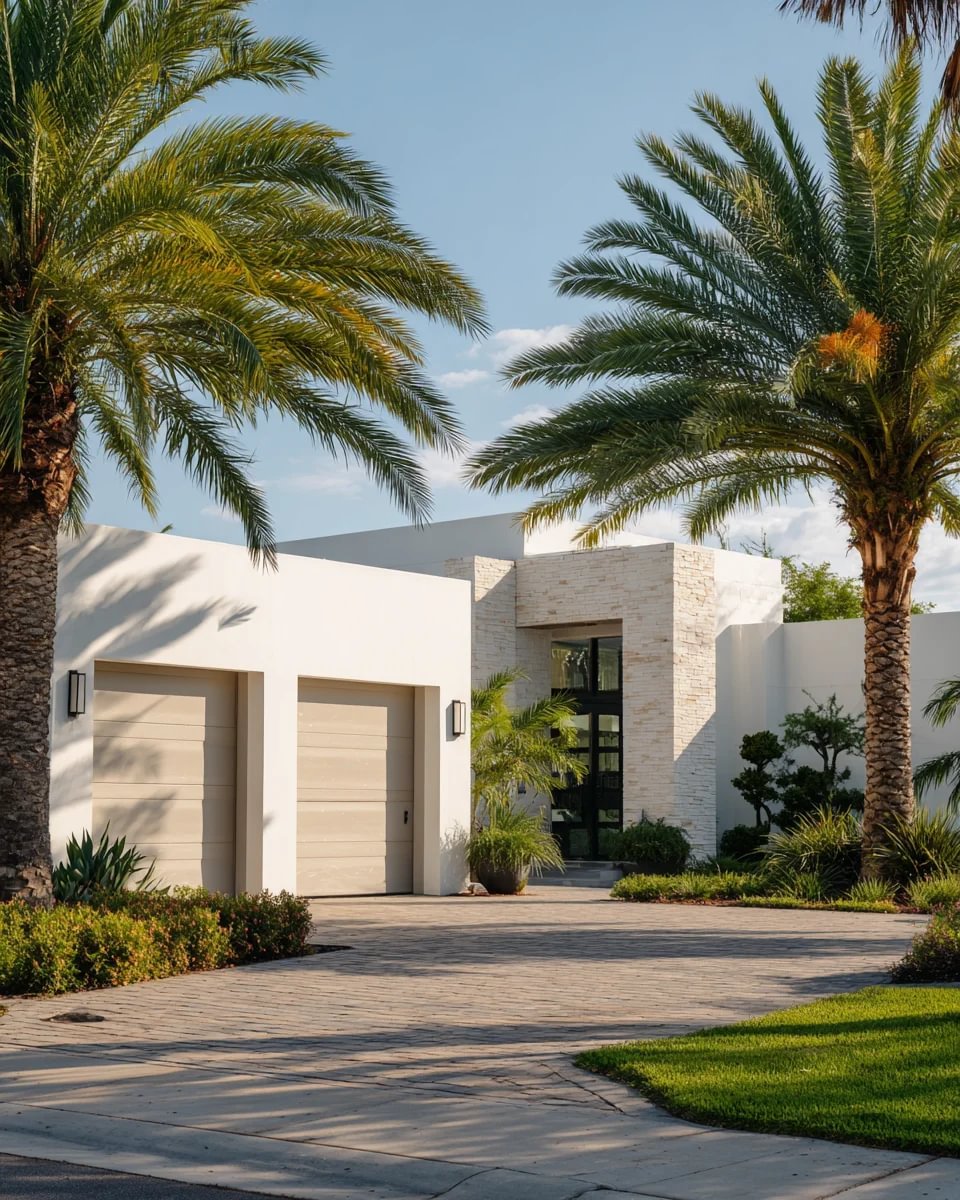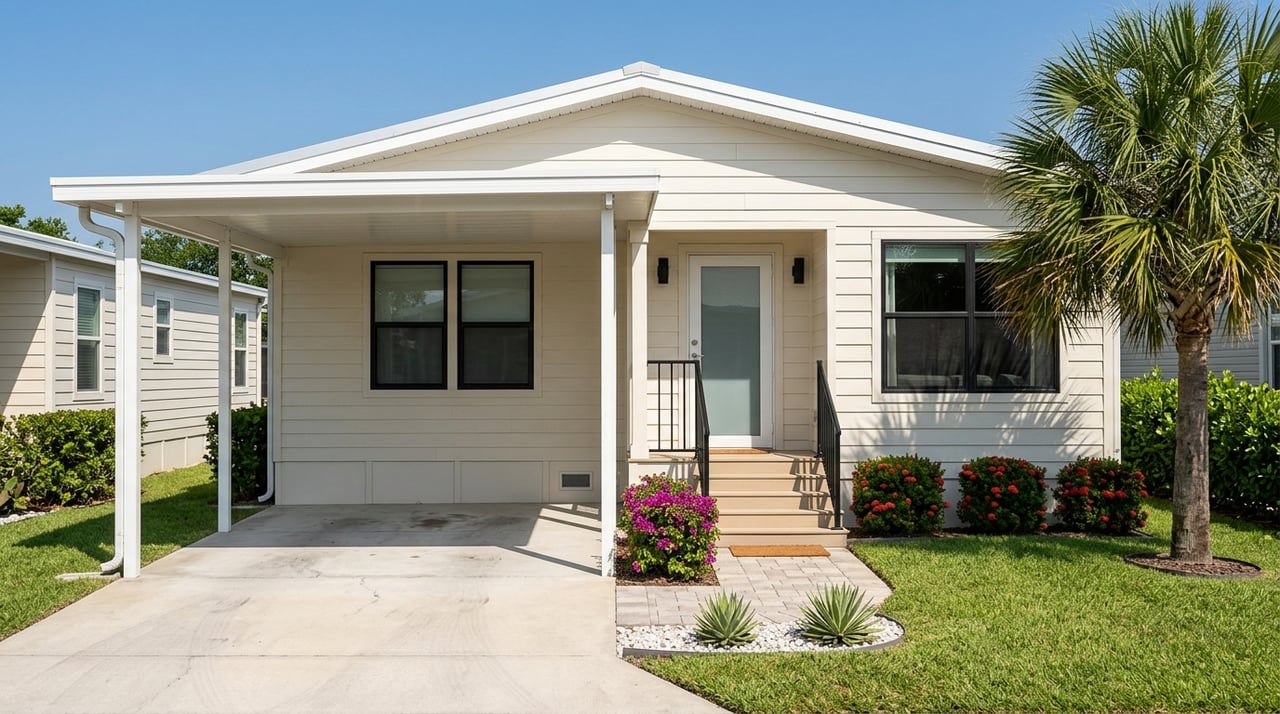
Trying to choose between a single-family home and a manufactured home in Port Charlotte? That decision can affect your monthly costs, ownership rights, community rules, and even how the property is taxed or insured. If you want a clearer way to compare the two, this guide will walk you through the local differences that matter most. Let’s dive in.
How Port Charlotte Treats These Homes
In Charlotte County, single-family homes and manufactured homes are not handled the same way. The county zoning code separates single-family districts from mobile or manufactured-home districts, and those categories come with different rules about where each home type can be placed.
The county also uses different permit paths. A traditional house falls under a residential single-family permit, while a new or replacement manufactured home uses a residential mobile home permit. That may sound technical, but for you, it is a sign that construction, setup, and inspections can follow a different process depending on the property type.
Single-Family Homes: What Ownership Usually Looks Like
When you buy a single-family home in Port Charlotte, you are typically buying the house and the land together. That ownership structure is often more familiar to buyers because the costs and responsibilities tend to follow a standard pattern.
If the property is in a deed-restricted community, you may also have a homeowners association. Under Florida law, HOAs must keep official records and follow notice and recordkeeping requirements, and unpaid assessments can become a lien. That makes it important to understand dues, rules, and financial obligations before you close.
Common Cost Categories
For many single-family homeowners, the recurring costs usually include:
- Property taxes
- Homeowners insurance
- Flood insurance if required
- HOA dues, if applicable
- Routine maintenance for the house and yard
One local factor matters a lot in Port Charlotte. Charlotte County states that flooding is common in the county, and properties in Special Flood Hazard Areas have a 1% annual chance of flooding. If you are using a federally backed mortgage in one of those zones, flood insurance is required.
Manufactured Homes: Why the Details Matter More
Manufactured homes can be a very practical option in Port Charlotte, but the ownership setup is not always the same from one property to the next. That is why buyers need to slow down and confirm exactly what they are purchasing.
In some cases, you own both the manufactured home and the land beneath it. In others, the home sits on a rented or leased lot in a park. In still other communities, the property may be part of a cooperative structure, where legal title is held by an entity and your right to occupy the home comes through an ownership interest and a lease or similar document.
Real Property vs Personal Property
This is one of the biggest issues to understand early. Charlotte County explains that if a mobile or manufactured home is permanently affixed to land that the owner also owns, it should be classified with an RP decal and assessed as part of the real estate.
If those conditions are not met, the home may require an annual MH decal and may be placed on the tangible personal property tax roll. That difference can affect taxes, paperwork, and whether homestead exemption may apply.
Community Rules and Fees
Many manufactured homes are located in communities with their own rules and cost structures. If the home is in a park with 10 or more leased lots, Florida’s Mobile Home Act applies.
If the park has 26 or more lots, the owner must file a prospectus and provide it before the lot rental agreement is signed or occupancy begins. Florida law also requires at least 90 days’ written notice before lot rent increases, service reductions, or rule changes, and certain taxes, assessments, or utility charges may be passed through if they were properly disclosed.
Co-op and 55+ Community Considerations
Some manufactured-home communities in this area are organized as cooperatives. In that setup, you may pay assessments for common expenses, and your ownership rights are structured differently than a typical fee-simple home purchase.
You may also come across age-restricted 55+ communities. Florida guidance says these communities must meet specific occupancy and policy standards, including having at least 80% of occupied units occupied by at least one person who is 55 or older.
Setup and Permit Requirements for Manufactured Homes
A manufactured home purchase can include more setup-related due diligence than a standard single-family purchase. Charlotte County requires a permit to set up or replace a mobile or manufactured home.
The county also requires new installations to use a HUD Wind Zone 3 home. In Special Flood Hazard Areas, the home must be elevated above the applicable flood requirement, and the county requires a permanent reinforced foundation.
State guidance adds another practical point. Manufactured home installations must be completed by a licensed mobile home installer, and tie-downs are an important safety feature in high winds.
Cost Differences to Compare Carefully
Price is only part of the story. In Port Charlotte, the better comparison is often total monthly ownership cost and long-term obligations.
A single-family home usually bundles the land cost into your mortgage and property taxes. A manufactured home may lower the upfront purchase price in some cases, but your monthly budget could include lot rent, co-op dues, registration fees, title fees, or decal charges depending on how the home is owned and classified.
Side-by-Side Comparison
| Factor | Single-Family Home | Manufactured Home |
|---|---|---|
| Land ownership | Usually includes the land | May include land, leased lot, or co-op interest |
| County permit path | Residential single-family permit | Residential mobile home permit |
| Tax treatment | Typically taxed as real property | May be real property or personal property |
| Community structure | May have HOA | May have park rules, lot rent, co-op dues, or age restrictions |
| Setup requirements | Standard site-built rules | Installation, foundation, elevation, and wind-zone requirements |
| Monthly cost pattern | Mortgage, taxes, insurance, HOA if any | Lot rent or co-op dues, plus possible registration or title-related costs |
Which Option Might Fit You Best?
A single-family home often fits buyers who want more control over the land, a more familiar ownership structure, and fewer layers between the property and the owner. It can also appeal to buyers who want more flexibility for customization, subject to local code and any HOA rules.
A manufactured home may fit you well if you prefer a community setting, seasonal use, or a lower-maintenance lifestyle tied to shared amenities or a structured neighborhood environment. In Port Charlotte, that can be especially relevant for buyers considering co-op communities or certain 55+ options.
Neither option is automatically better. The right fit depends on how you want to live, what kind of ownership you want, and how predictable you need your monthly costs to be.
Questions to Ask Before You Decide
Before you move forward on either property type, ask clear questions that match Port Charlotte’s local rules. This step can save you from surprises after closing.
Here are some of the most useful questions to ask:
- Do you own the land, or is it a leased lot?
- Is the home classified as real property or personal property?
- Are there HOA fees, lot rent, co-op dues, or other assessments?
- Have those fees increased recently?
- Are there pass-through taxes, assessments, or utility charges?
- Is there a prospectus, bylaws, rules package, or financial statement to review?
- Is the property in a flood zone?
- Is there an elevation certificate?
- Is the manufactured home a HUD Wind Zone 3 home?
- Is there permit history for setup, replacement, additions, skirting, carports, or roof-overs?
- Are exterior changes allowed by both the community and the county?
The Biggest Port Charlotte Takeaway
In Port Charlotte, the most important step is separating home ownership from land ownership as early as possible. That one distinction can affect taxes, permitting, insurance expectations, community rules, and your long-term monthly costs.
If you are comparing a fee-simple single-family home, a manufactured home on owned land, and a manufactured home in a leased-lot or co-op community, you are really comparing three different ownership models. Once you see that clearly, the decision usually becomes much easier.
If you want help sorting through Port Charlotte single-family homes, manufactured homes, or co-op options, Eric Decker can help you compare the fine print and move forward with more confidence.
FAQs
What is the main difference between single-family and manufactured homes in Port Charlotte?
- In Port Charlotte, the biggest difference is often the ownership structure. A single-family home usually includes the house and land together, while a manufactured home may be on owned land, a leased lot, or in a cooperative community.
Are manufactured homes in Port Charlotte considered real estate?
- Sometimes. If the manufactured home is permanently affixed to land that the owner also owns, Charlotte County says it should be assessed as part of the real property. If not, it may be treated as personal property.
Do manufactured-home communities in Port Charlotte have different rules than HOAs?
- Yes. Depending on the community, you may deal with park rules, lot rental agreements, prospectus requirements, co-op documents, or age-restriction policies instead of, or in addition to, traditional HOA-style rules.
Is flood insurance important for homes in Port Charlotte?
- Yes. Charlotte County states that flooding is common, and homes in Special Flood Hazard Areas have a 1% annual chance of flooding. Flood insurance is required for federally backed mortgages in those zones.
What should buyers ask before buying a manufactured home in Port Charlotte?
- Ask whether the land is owned or leased, how the home is classified for tax purposes, what fees apply, whether there are park or co-op documents to review, whether the property is in a flood zone, and whether the home has the proper wind-zone and permit documentation.
Are 55+ manufactured-home communities allowed in Port Charlotte?
- Yes, but they must meet Florida’s requirements for 55+ housing, including occupancy thresholds and published policies showing the intent to house persons 55 or older.