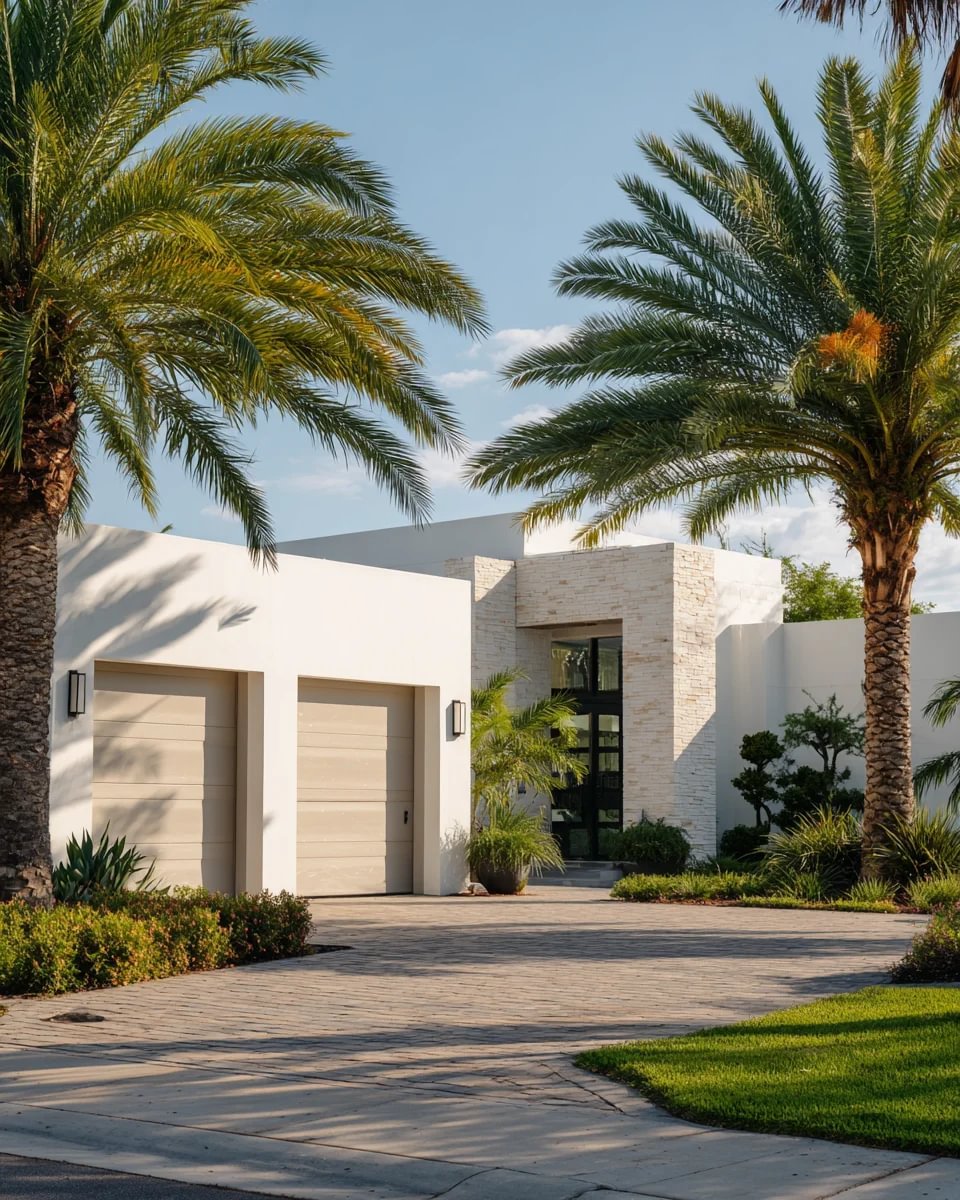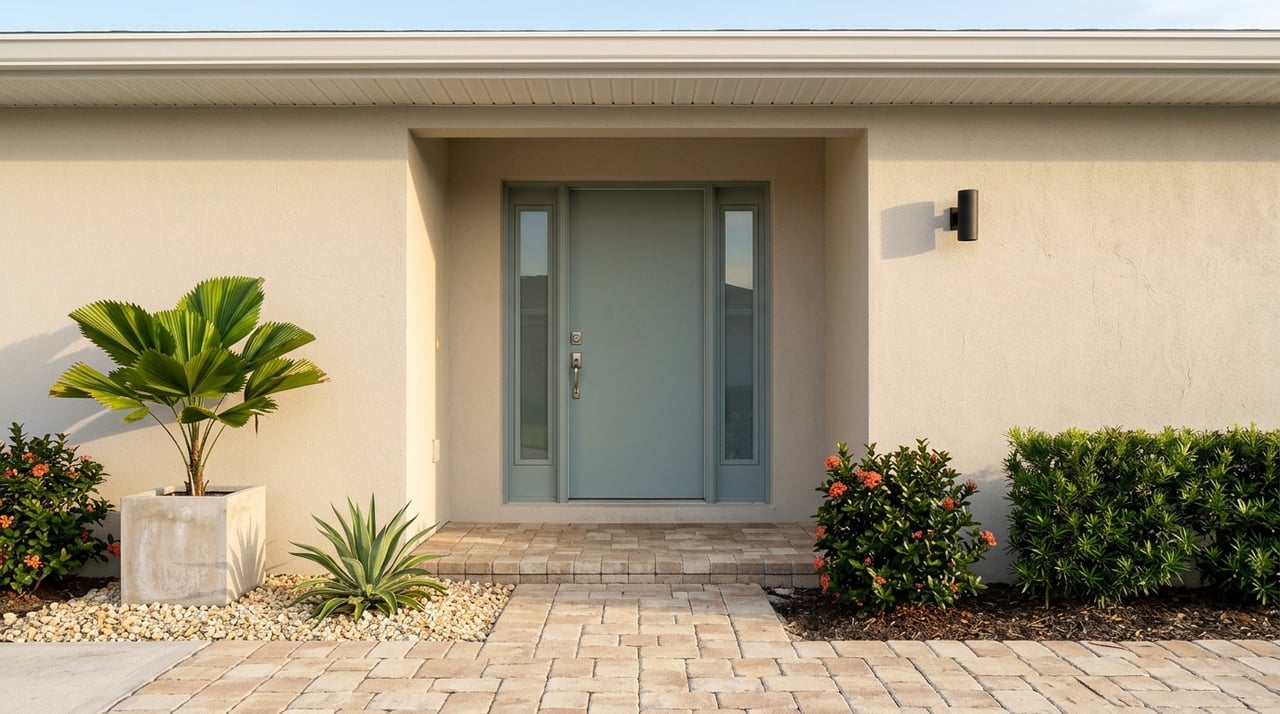
Thinking about leaving the big house behind can feel equal parts freeing and overwhelming. If you have spent years building a life in Punta Gorda, downsizing is not just about moving into less space. It is about protecting your budget, simplifying upkeep, and choosing a home that fits how you want to live now. This guide will help you think through your options, costs, timeline, and next steps so you can move with more confidence. Let’s dive in.
Why downsizing makes sense in Punta Gorda
Punta Gorda is a market where many homeowners are already thinking about long-term fit. According to the U.S. Census Bureau’s Punta Gorda QuickFacts, 53.5% of residents are age 65 or older, 81.7% of housing units are owner-occupied, and the median value of owner-occupied homes is $518,100.
Those numbers matter because they point to a common local reality. Many homeowners here have built equity over time, but they may also be carrying the cost of a larger home than they still need. In Punta Gorda, median monthly owner costs are listed at $2,758 with a mortgage and $986 without one, which is a helpful reminder that downsizing is often about reducing total monthly housing costs, not just square footage.
Start with your real reasons
The best downsizing plans begin with clarity. Before you look at homes, take time to define what is pushing you toward a move and what you want your next chapter to feel like.
The Consumer Financial Protection Bureau recommends thinking through present and future housing expenses, property taxes, homeowners insurance, and likely repairs. It also suggests talking with family or a housing counselor as you weigh the decision.
For many homeowners, the reasons are practical and personal at the same time. You may want less yard work, fewer stairs, lower insurance costs, or a home that is easier to maintain after retirement or a life change. The important thing is to be honest about what you need now and what you may need a few years from now.
Decide what you truly need
A smaller home only works if it still supports your daily life. That is why it helps to separate your must-haves from your nice-to-haves before you start touring properties.
Ask yourself questions like these:
- Do you want a detached home with less upkeep?
- Would a condo make life simpler, or would association rules feel limiting?
- Do you need a one-story layout?
- How much outdoor space do you actually use?
- Do you want a guest room, office, or hobby space?
- Are future care options part of your decision?
This step matters because downsizing does not always mean moving to a condo. According to AARP’s 2024 housing survey, 75% of adults age 50 and older still want a single-family home. Many people want lower maintenance, but they still prefer the privacy and layout of a detached property.
Compare downsizing options in Punta Gorda
Your best fit depends on your budget, lifestyle, and how much maintenance you want to keep. In Punta Gorda, the most common downsizing paths often include smaller single-family homes, attached homes, condos, age-restricted communities, and continuing-care retirement communities.
Smaller single-family homes
This option can be a strong fit if you want to keep more privacy and control while reducing upkeep. You may still have a yard and exterior maintenance, but the overall home can be easier to manage than a larger property.
This path often appeals to homeowners who are not ready for shared walls or association-heavy living. It can also make sense if you still want space for visitors, storage, or a home office.
Condos and attached homes
Condos can offer lower day-to-day maintenance, which is appealing if you want to spend less time on repairs and exterior upkeep. But in Florida, condo due diligence is especially important right now.
The Florida Department of Business and Professional Regulation says structural integrity reserve studies are required at least every 10 years for residential condo buildings with three or more habitable stories. Florida’s milestone inspection rules also apply to many condo and cooperative buildings three or more habitable stories high.
That means buyers should review more than just the unit itself. Under Florida law, buyers are entitled to key association documents, and applicable contracts now require important disclosures such as the most recent milestone inspection summary and structural integrity reserve study.
Before you get emotionally attached to a condo, review:
- The annual budget
- Financial statements
- Reserve study
- Milestone inspection summary, if applicable
- Declaration and governing documents
- Rules and fees
55+ and continuing-care communities
Some buyers want a simpler lifestyle with fewer maintenance demands and community-based amenities. Others are also thinking ahead about aging in place.
The CFPB notes that continuing-care retirement communities can provide independent living now and assisted living or nursing care later. That makes them a different option from a standard 55+ community.
If future care access is part of your plan, it is worth comparing these models carefully. A standard age-restricted community may fit your needs today, while a continuing-care option may better support long-term planning.
Build a realistic monthly budget
One of the biggest downsizing mistakes is focusing only on the sale price of the next home. Your monthly carrying costs may matter even more.
The CFPB recommends weighing current and future housing expenses, including taxes, insurance, and repairs. In Punta Gorda, this is especially important because the right home on paper can still feel expensive once you factor in homeowners insurance, flood insurance, maintenance, and community fees.
As you compare options, look at:
- Mortgage payment, if any
- Property taxes
- Homeowners insurance
- Flood insurance
- HOA, condo, or co-op fees
- Utilities
- Routine maintenance and future repairs
A smaller home with no major deferred maintenance may cost less over time than a cheaper home that needs work. The goal is not simply to buy smaller. It is to create a budget that feels sustainable.
Do not overlook flood and insurance research
In Punta Gorda and Charlotte County, flood planning should be part of your housing search from day one. It should never be an afterthought.
Charlotte County states that the city and county have special requirements in flood-hazard areas, and FEMA’s Flood Map Service Center is the official source for understanding flood risk. Charlotte County also explains that an elevation certificate is used to determine flood-insurance pricing and may be required for certain structures in special flood hazard areas with a federally backed mortgage.
In practical terms, that means you should ask these questions early:
- Is the home in a flood-hazard area?
- Is an elevation certificate available?
- What are the current insurance costs?
- How could flood risk affect the monthly budget?
Charlotte County also reports that it is a Community Rating System Class 5 community, and it states that NFIP policyholders receive a 25% flood-insurance premium discount. That can be helpful context, but you should still confirm property-specific costs because insurance rules and pricing can change.
Understand Florida homestead portability
If you have owned your Florida homestead for years, taxes on your next home may be one of the most important parts of your downsizing plan. Many long-time homeowners are surprised by how different the tax picture can look after a move.
According to the Florida Department of Revenue, homeowners may be able to transfer all or part of their Save Our Homes assessment difference to a new Florida homestead. The portability filing deadline is March 1, and the new homestead generally must be established within three years of January 1 of the year the previous homestead was abandoned.
This is one reason it helps to plan your move early. If portability may apply to you, make sure you understand the deadlines and how your new tax bill could compare with your current one before you commit to a purchase.
Create a downsizing timeline
A smooth move usually starts earlier than people expect. Sorting, donating, selling, measuring, and scheduling all take time.
AARP recommends starting as soon as your closing date is known, with two to three months ahead of time being ideal. Their decluttering guidance also suggests going room by room, using keep, donate, sell, and toss categories, and avoiding an oversized maybe pile.
Six to 12 months out
This is the planning stage. Decide what type of home you want, what monthly budget feels comfortable, and whether selling first or buying first makes the most sense for your situation.
It is also a smart time to talk through the move with family or trusted professionals. If the process feels emotionally heavy, extra support can make decision-making easier.
Two to three months out
This is when decluttering should be in full swing. AARP’s decluttering advice recommends working room by room and using floor plans or measurements before deciding what furniture will fit.
Try to be realistic. Decluttering often takes weeks, and it can be tiring. If needed, consider help from a professional organizer or senior move manager.
About one month out
Now is the time to lock in logistics. Book movers early, get written estimates, transfer prescriptions, update your address, and arrange utility start and stop dates.
This is also when your insurance details should be finalized. If you are buying in a flood-hazard area or community-governed property, make sure you have reviewed all relevant costs and documents.
Final week
Pack essentials separately so they are easy to find on day one. Keep medications, important documents, valuables, chargers, and basic kitchen and bathroom items with you.
A little preparation here can make your first few days feel much calmer. That matters even more if you are coordinating both a sale and a purchase at the same time.
Should you sell first or buy first?
This is one of the most common downsizing questions, and the answer depends on your finances, flexibility, and comfort with uncertainty.
Selling first can give you a clearer budget for your next purchase. It may also reduce the stress of carrying two homes at once. Buying first can make the transition feel smoother if you want to move only once, but it can add pressure if your current home has not sold yet.
If you are weighing both options, focus on timing, monthly carrying costs, and how much risk you want to take on. A clear plan can help you avoid rushed decisions.
Downsizing is about fit, not just space
A successful downsizing move in Punta Gorda should make your life easier, not just smaller. The right plan accounts for your budget, maintenance goals, tax position, flood and insurance costs, and the kind of home that will support you in the years ahead.
If you are starting to think through your next move, working with a local team can help you compare options, understand timing, and keep the process manageable from start to finish. When you are ready to talk through your goals, connect with Eric Decker for practical, hands-on guidance tailored to your Punta Gorda move.
FAQs
What should I consider before downsizing in Punta Gorda?
- Focus on your monthly budget, maintenance needs, preferred home type, flood risk, insurance costs, and whether Florida homestead portability may affect your taxes.
How does Florida homestead portability work when downsizing?
- According to the Florida Department of Revenue, eligible homeowners may be able to transfer all or part of their Save Our Homes assessment difference to a new Florida homestead, and the filing deadline is March 1.
What condo documents should buyers review in Florida?
- Buyers should review the budget, financial statements, governing documents, rules, reserve study, and, when applicable, the milestone inspection summary and structural integrity reserve study.
How does flood risk affect a Punta Gorda downsizing move?
- Flood risk can affect insurance requirements and monthly costs, so you should check FEMA flood maps, ask whether an elevation certificate is available, and get property-specific insurance information early.
Is a smaller single-family home better than a condo for downsizing?
- It depends on your priorities. Many adults 50 and older still prefer a single-family home, while others value the lower-maintenance lifestyle that a condo or community-based property may offer.
When should I start preparing for a downsizing move?
- AARP recommends starting as soon as your closing date is known, with two to three months of lead time being ideal for sorting, booking movers, and handling address, utility, and prescription changes.