If you own a waterfront home in Punta Gorda Isles, you already know it is not sold the same way as a typical inland property. Buyers are not just looking at bedrooms and countertops. They are studying canal access, dock setup, seawall condition, flood considerations, and how the whole property works with life on the water. That is exactly why the selling process needs a more focused plan. In this guide, you will see how Team Double Decker approaches waterfront sales in Punta Gorda Isles and why that process matters in today’s market. Let’s dive in.
Why Punta Gorda Isles needs a different selling strategy
Punta Gorda Isles is built around canals and boating access, which changes how buyers evaluate a home. The City of Punta Gorda describes the area as part of a boating system connected to Charlotte Harbor, with more than 50 miles of residential canals. It also notes that much of the system offers deep, wide canals with no fixed bridges, which is a major detail for buyers who want practical water access.
That same city information shows just how important seawalls are in this neighborhood. Punta Gorda Isles includes 91 miles of seawall and 45 miles of canals and inlets. In other words, a waterfront home here is not just about the house itself. The water frontage and the structures tied to it are part of the value story from the start.
What waterfront buyers notice first
When buyers shop in Punta Gorda Isles, they often start with questions that go beyond the living room. They want to know how the lot sits on the canal, whether the dock layout makes sense, what kind of boat access the property offers, and how easy it is to reach Charlotte Harbor. These details can shape interest just as much as a renovated kitchen or updated flooring.
They also pay close attention to maintenance and future costs. Seawall condition, dock features, lifts, and nearby improvements can all affect confidence in the property. That means your home needs to be presented in a way that answers practical questions early and clearly.
How Team Double Decker markets waterfront homes
Team Double Decker’s public brand is built around full-service support for buyers and sellers in Punta Gorda and Southwest Florida. Their website highlights help from market analysis through closing day, along with strategic marketing and dedicated guidance. For a waterfront seller, that matters because you need more than a sign in the yard. You need a plan that explains the property well and reaches the right audience.
Their listing approach is also digital-first, which fits how many Punta Gorda Isles buyers shop today. Property pages on their site use rich media, map-based details, scheduling tools, and even video-chat showing options. That kind of setup can help local buyers and out-of-area buyers understand a home before they ever visit in person.
Professional media tells the waterfront story
In Punta Gorda Isles, photography alone may not be enough. Because the value of the property is tied to canal orientation, dock placement, and route to open water, aerial photo and video can help buyers understand features that ground-level images often miss. This is one reason Team Double Decker’s in-house drone and production capabilities fit this niche so well.
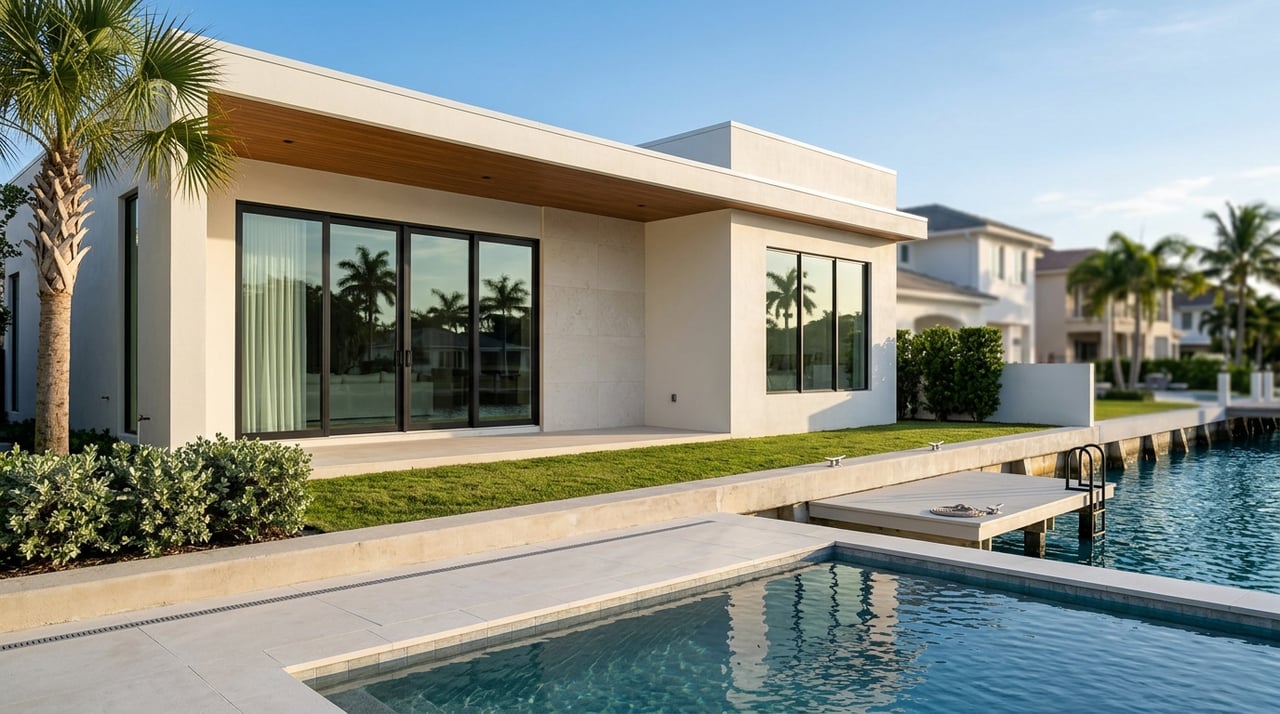
A waterfront buyer wants to see the full setting, not just the interior. They want a clear view of the canal behind the home, the relationship between the dock and the lot, and how the property sits within the neighborhood. Better visuals can lead to better-informed showings and more serious interest.
Property details matter more here
Team Double Decker’s active listing style also reflects how coastal buyers think. Their public property pages call out details like docks, lifts, canal views, HOA information, and utilities. For a Punta Gorda Isles home, that level of detail helps buyers compare options and understand value faster.
This matters because buyers in a waterfront market are often doing careful side-by-side comparisons. If your listing leaves out key facts, buyers may move on before they ever schedule a showing. Clear property information helps reduce friction and supports stronger buyer confidence.
Pricing matters in today’s market
Even in a desirable waterfront area, sellers should not expect an instant sale. Realtor.com neighborhood data for Punta Gorda Isles shows 457 active listings, a median sale price of $550,000, a median of 83 days on market, and a 95% sale-to-list price ratio. Charlotte County data from Realtor.com also points to a buyer’s market, with homes selling about 4.62% below asking on average and a median of 83 days on market.
Those numbers do not mean waterfront homes cannot sell well. They do mean that pricing, presentation, and launch strategy need to be disciplined. If you come to market too high, buyers may wait, compare, and negotiate harder later.
Why strategic pricing helps waterfront sellers
A waterfront home can feel one-of-a-kind, and in many ways it is. But buyers still compare seawalls, canal access, updates, flood exposure, lot position, and carrying costs across multiple listings. Team Double Decker’s emphasis on market analysis is especially important in a market where buyer expectations are sharp and days on market are not always short.
The goal is not just to list your property. The goal is to position it correctly from day one so buyers see the value and act with confidence. In a market with meaningful inventory, a strong first impression can make a real difference.
Seller prep starts before the listing goes live
For waterfront homes in Florida, preparation is more than cleaning and staging. It also includes organizing the documents and disclosures buyers may need to review. A smoother file can reduce delays and create trust early in the process.
Under Florida Statute 689.302, sellers of residential real property must provide a flood disclosure at or before contract execution. That disclosure asks whether the seller knows of flooding, filed a flood-related claim, or received flood assistance. It also reminds buyers that homeowners insurance does not cover flood damage.
Flood information should be ready early
Charlotte County’s flood information adds useful local context for sellers and buyers. The county notes that low land elevations and high water tables make flooding likely in some areas. It also explains that flood insurance may be required for federally backed mortgages in high-risk flood zones and that homeowners policies do not cover damage from rising water.
For a Punta Gorda Isles seller, this means buyers may ask detailed questions early in the process. Having your flood disclosure, insurance information, and any past flood-related documentation organized can make those conversations easier.
Seawall and dock records help buyers evaluate value
The City of Punta Gorda says its Canal Maintenance Division performs annual seawall assessments, maps condition data, and prioritizes maintenance and replacement using that information. The city also states that owners are responsible for docks, lifts, fences, irrigation, electrical lines, and other improvements near the seawall. That makes seawall and dock documentation highly relevant when you sell.
Useful records may include recent repairs, dock or lift permits, contractor invoices, utility-related documents, and any available maintenance history. Buyers often want a fuller picture of ongoing responsibilities, especially when the property includes waterfront improvements.
HOA or community paperwork can affect timing
If your property is in a covenant-governed or HOA-type community, Florida Statute 720.401 requires a disclosure summary before the contract is signed. The statute also says the contract may be voidable if that summary was not delivered in time. That makes early paperwork preparation important.
Team Double Decker’s brand profile highlights experience with HOA and co-op sale mechanics, which can be especially useful when a transaction includes extra rules, fees, or community documents. For sellers, that kind of hands-on process support can help keep the sale moving.
How local knowledge helps attract the right buyer
A waterfront home is easier to market when the agent can explain the neighborhood, not just the house. Team Double Decker already publishes Punta Gorda Isles neighborhood content that discusses canal access, private docks, seawall considerations, and the local boating lifestyle. That kind of neighborhood education helps buyers understand what makes PGI different.
This is especially valuable for relocation and seasonal buyers who may not know the area well. A buyer from out of town may love the photos but still need help understanding bridge access, canal layout, or waterfront responsibilities. Local context can turn broad interest into serious intent.
Why a hands-on team approach matters
Selling a waterfront home usually means managing more moving parts than a standard resale. Marketing needs to be sharper, buyer questions may be more technical, and paperwork often requires more care. Team Double Decker’s boutique, relationship-first model is a good fit for that kind of sale because the brand emphasizes direct guidance, communication, and full-service support.
Their public testimonials also point to strong customer service, clear communication, and a personalized approach. That matters when your sale involves pricing decisions, disclosure timing, showing coordination, and buyers who may be shopping remotely.
The bottom line for Punta Gorda Isles sellers
In Punta Gorda Isles, selling well means telling the full waterfront story. You need the right price, the right media, the right property details, and the right paperwork ready at the right time. A home on the water asks buyers to evaluate much more than square footage, so your listing strategy has to do the same.
Team Double Decker’s approach aligns well with what this market demands: local knowledge, professional media, digital-first exposure, and hands-on support from listing launch to closing. If you are preparing to sell a waterfront home in Punta Gorda Isles, working with a team that understands both the neighborhood and the marketing side can help you move forward with more clarity and confidence.
If you are thinking about selling your waterfront home in Punta Gorda Isles, connect with Eric Decker to get local guidance, professional marketing support, and a clear plan built around your property.
FAQs
What makes selling a Punta Gorda Isles home different?
- A Punta Gorda Isles home is often valued not only for the house, but also for canal access, seawall condition, dock setup, and the property’s connection to Charlotte Harbor.
How long does it take to sell a home in Punta Gorda Isles?
- Recent neighborhood data shows a median of about 83 days on market, so sellers should plan for a real marketing period rather than an instant sale.
Why does seawall condition matter when selling in Punta Gorda Isles?
- Seawall condition can affect buyer confidence, maintenance expectations, and overall value because waterfront improvements are a major part of the property story in PGI.
What flood paperwork do Punta Gorda Isles sellers need?
- Under Florida law, residential sellers must provide a flood disclosure at or before contract execution, and buyers may also ask about flood insurance and any known flooding history.
How does Team Double Decker market Punta Gorda Isles waterfront homes?
- Team Double Decker uses full-service listing support, professional media, drone and video capability, detailed online presentation, and hands-on guidance from market analysis through closing.