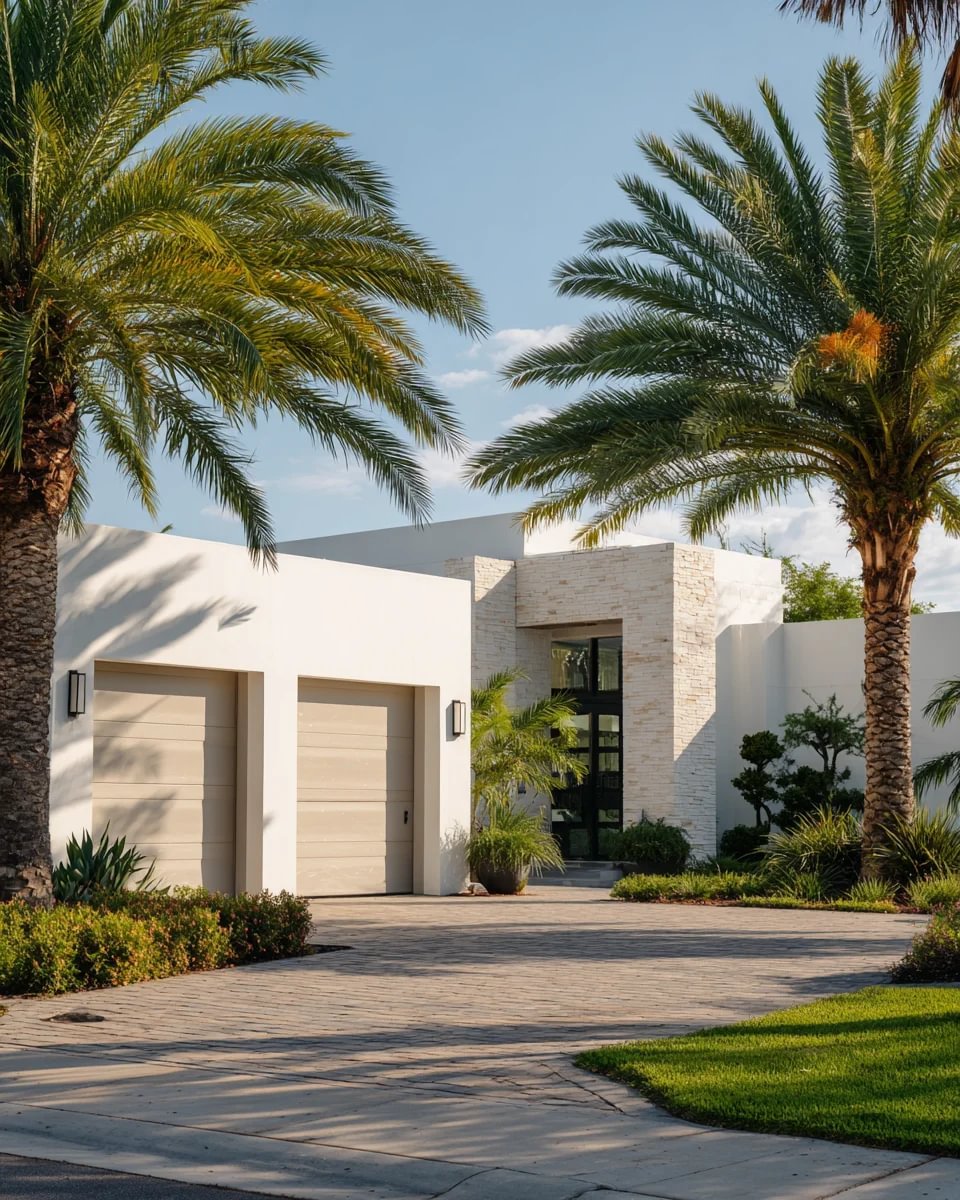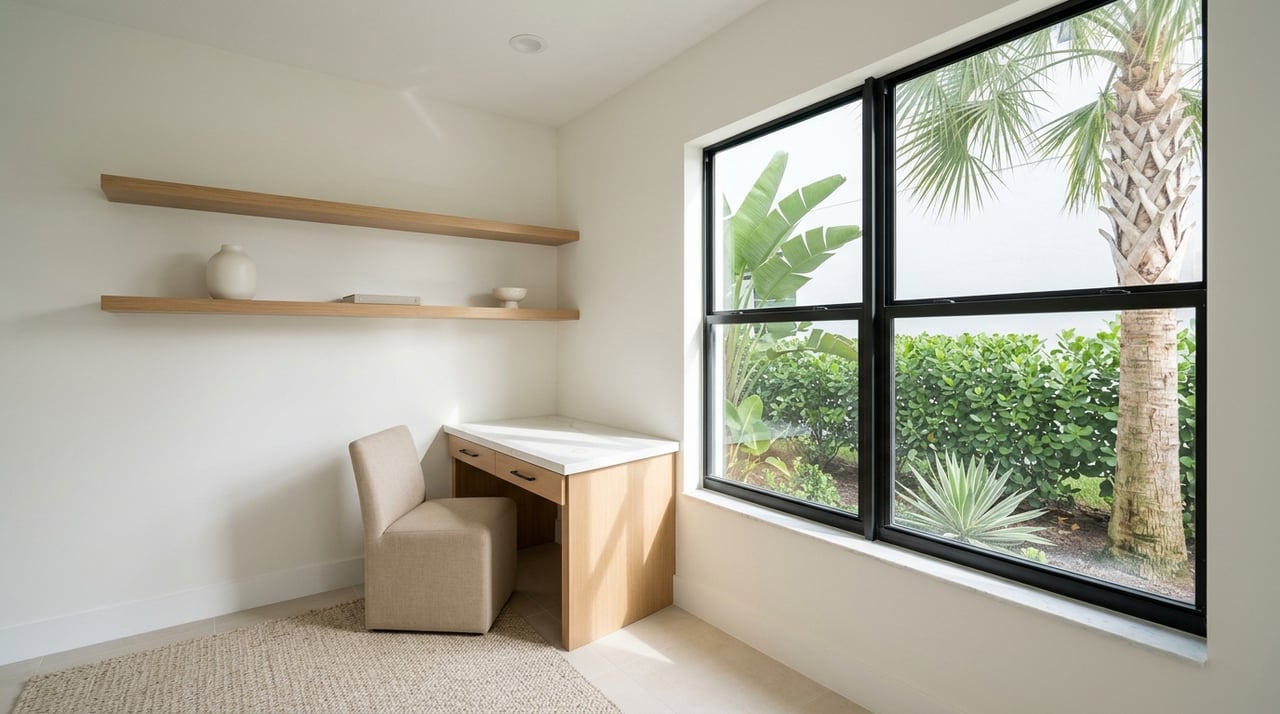
Buying a home from out of state can feel like a leap of faith, especially in a coastal market where one street can feel very different from the next. If you are considering Punta Gorda, you want more than pretty photos and a quick video call. You need a clear plan for pricing, flood risk, insurance, inspections, and closing logistics so you can move forward with confidence. Let’s dive in.
Why Punta Gorda Works for Remote Buyers
Punta Gorda can be a practical place to buy remotely because the market gives you time to evaluate options. In March 2026, the median sale price was $522,450, homes sold after a median of 95 days on market, and listings received about two offers on average. That pace can give you room to compare homes instead of rushing into a decision.
That said, Punta Gorda is not one uniform market. Realtor.com data in the research shows meaningful variation by area, with 33982 at a $459,000 median listing price in a balanced market and 33983 at a $349,900 median listing price in a buyer’s market. For you, that means location, housing type, and community rules can shape both price and negotiation strategy.
Another advantage is access. Punta Gorda Airport sits off I-75, minutes from Charlotte Harbor, and offers nonstop service to more than 50 destinations. If you want to narrow your search remotely and then make one focused preview trip, that setup can make the process much easier.
Start With a Remote Buying Plan
Remote purchases work best when you decide early how much of the process you want to handle online and when you want to travel in. Some buyers do nearly everything remotely and only visit once. Others use virtual tours to narrow the field, then fly in for inspections or final confirmation.
In Florida, that digital workflow has real legal support. Florida’s Electronic Signature Act gives electronic signatures the same force as written signatures, and the state’s electronic-recording rules allow qualifying electronic documents to satisfy many signing and recording requirements. Florida also allows online notarization through live audio-video communication, even when the signer is physically outside the state.
That legal framework makes a paperless purchase possible, but it still helps to set expectations upfront. Ask early whether your lender, title company, and notary can support a remote closing. The smoother those details are at the start, the less stress you will feel near closing day.
Use Listing Media to Reduce Uncertainty
When you cannot walk through a home in person right away, strong listing media matters. The most useful remote listings include more than standard photos. They should help you understand layout, room flow, outdoor space, and how the property actually lives day to day.
Virtual tours, video, floorplans, and live walkthroughs can fill in the gaps. The National Association of Realtors notes that these tools help buyers understand how rooms connect and give a more realistic sense of the home. It also reports that 6% of buyers recently purchased based only on a virtual tour, showing, or open house without seeing the home in person.
A live video walkthrough can be especially helpful because you can ask questions in real time. You can request slow pans of ceilings, flooring transitions, windows, exterior surfaces, storage areas, and the view from key rooms. If a property interests you, it is reasonable to ask for enough visual detail to spot both standout features and potential concerns.
Verify Costs Before You Write an Offer
A remote buyer should never rely on list price alone. Before you make an offer, ask for the monthly and annual costs that affect your real budget. This is especially important in Punta Gorda, where single-family homes, condos, co-op communities, and HOA neighborhoods can have very different fee structures and approval steps.
The research highlights a few cost items that should be reviewed early:
- Real estate taxes
- Special local taxes
- HOA, condo, or co-op fees
- Other purchase-related costs
- Utility availability and service details
- Insurance-related expenses tied to flood or wind risk
If you are buying a seasonal or second home, be careful about assumptions around tax benefits. Charlotte County states that the homestead exemption is available only to legal Florida residents who permanently reside in the home as of January 1, with a March 1 application deadline. In simple terms, most second-home buyers should not expect that exemption unless they later establish Florida permanent residence.
Check Flood Risk Early in Punta Gorda
In Punta Gorda, flood risk is not something to review at the last minute. Charlotte County says flooding can happen near the coast, along rivers, or inland. It also identifies Special Flood Hazard Areas as zones where flood insurance is mandatory for federally backed mortgages.
For remote buyers, this is one of the first things to verify, not one of the last. Charlotte County points residents and buyers to its Forerunner floodplain tool, which can show flood zones, base flood elevation, and digitally signed elevation certificates. That information can affect insurance cost, loan requirements, and your comfort level with the property.
This step matters because two homes with similar prices can carry very different long-term ownership costs. If you are comparing several homes from afar, flood-zone verification helps you avoid getting emotionally attached to a property that may become more expensive to insure than expected.
Confirm Utilities and Service Areas
Utility service is another practical detail that remote buyers should check early. Charlotte County provides water, wastewater, and reclaimed-water service in unincorporated parts of the county. The City of Punta Gorda utilities department serves water and sewer customers inside and outside city limits within its utility service area.
That means utility setup can vary depending on where the property sits. The county utility availability process requires the street address and short legal description. If you are comparing homes in different parts of Punta Gorda, confirming utility service early can help you understand both convenience and ongoing costs.
Build a Smart Inspection Strategy
A remote purchase should include strong protections in the contract. The Consumer Financial Protection Bureau recommends making the offer contingent on financing and a satisfactory inspection. That way, you are not forced to close if serious issues show up after you go under contract.
A general home inspection is a key starting point. The National Association of Realtors notes that buyers can include an inspection contingency and that inspections often uncover costly issues that may not be obvious during a showing. It also notes that a typical home inspection lasts at least two to three hours.
In Florida, insurance-related inspections can matter just as much as the general inspection. The Florida Chief Financial Officer says a four-point inspection is commonly required by homeowners insurers and focuses on roofing, electrical, plumbing, and HVAC. Wind-mitigation documentation can also matter because certain wind-resistant features may support premium savings.
If you are buying remotely, ask for inspection reports promptly and review them carefully with your agent. You may also want photos, video, or a follow-up live call so you can better understand any findings. If a home is listed as as-is, remember that the seller is not agreeing to make repairs simply because issues are discovered.
Ask Insurance Questions Before You Commit
Insurance can make or break affordability in coastal Florida. The CFPB recommends asking whether the home has flooded before, how prior damage was repaired, and whether insurance may be harder or more expensive to obtain. Those answers can help you avoid surprises after you are already deep into the transaction.
For Punta Gorda buyers, it is smart to connect flood-zone research with inspection planning. A flood check, a four-point inspection, and wind-mitigation information can work together to give you a clearer picture of risk and cost. This is one of the biggest reasons remote buyers benefit from a step-by-step process instead of relying only on listing photos.
Timing matters too. Florida’s hurricane season runs from June 1 to November 30. If you are trying to buy during that window, it can help to line up inspections, insurance quotes, and closing documents early so weather-related delays do not throw off your schedule.
Know How Remote Closing Works in Florida
One of the most common concerns for out-of-state buyers is the closing itself. The good news is that Florida law supports many parts of a remote closing process. Electronic signatures are valid, qualifying electronic documents can satisfy recording requirements, and Florida online notaries can notarize documents remotely when the signer is elsewhere.
The CFPB also explains that some closings can happen electronically, by mail, or online, depending on the transaction and the companies involved. It notes that buyers must receive the Closing Disclosure three business days before closing. That review period gives you time to check figures, ask questions, and confirm that the numbers match your expectations.
You should also stay alert for fraud. The CFPB warns buyers to watch for last-minute wiring changes and mortgage-closing scams. If any payment instructions change unexpectedly, verify them through a trusted phone number before sending funds.
Plan for the Post-Closing Details
A remote purchase does not end when the documents are signed. Charlotte County’s tax collector says real estate tax bills are mailed to the owner’s last address of record and collected in arrears beginning on or before November 1. After closing, make sure your mailing information is correct and confirm how future bills will be handled.
It is also wise to confirm tax prorations, escrow details, and any community approval or move-in steps that still apply after closing. For seasonal buyers, this is where good transaction management really pays off. A smooth close should also lead to a smooth handoff into ownership.
A Practical Remote Buyer Checklist
If you want to keep the process organized, focus on these items before and during your Punta Gorda purchase:
- Narrow neighborhoods and property types based on budget and goals
- Review photos, video, floorplans, and virtual tours carefully
- Request a live walkthrough for any home you are seriously considering
- Confirm taxes, fees, and other recurring costs upfront
- Verify flood zone, base flood elevation, and elevation certificate details early
- Check utility availability and service area information
- Include financing and inspection contingencies where appropriate
- Review general inspection, four-point inspection, and wind-mitigation details
- Ask insurance questions before final commitment
- Confirm your lender and title company can support remote closing
- Review the Closing Disclosure at least three business days before closing
- Verify wiring instructions directly before sending funds
- Update your mailing address and post-closing records
Why Local Guidance Still Matters
Technology makes remote buying easier, but local detail still matters in Punta Gorda. Pricing can vary by ZIP code. Flood exposure can vary by street. Monthly costs can change significantly depending on whether you are buying a single-family home, condo, or co-op community property.
That is why remote buyers benefit from hands-on guidance and strong visual information. A well-organized search, clear communication, and careful verification can turn a long-distance purchase into a manageable process. You do not need to be in town every week to make a smart decision, but you do need the right plan and the right local support.
If you are thinking about buying in Punta Gorda from out of state, a boutique team with local experience can help you narrow options, evaluate property details, and keep the transaction moving from contract to closing. When you are ready to start your search, connect with Eric Decker for practical guidance tailored to your goals.
FAQs
Can I buy a Punta Gorda home without seeing it in person?
- Yes. Remote purchases are possible using virtual tours, live walkthroughs, electronic signatures, and online notarization, though many buyers still choose to visit at least once before closing.
What should I verify first when buying remotely in Punta Gorda?
- Start with pricing, flood zone, recurring costs, utility availability, and the quality of listing media so you can compare homes with fewer unknowns.
How do I know if a Punta Gorda property may be expensive to insure?
- Check the flood zone early, ask about past flooding or storm damage, and review inspection items such as four-point and wind-mitigation reports that can affect insurance underwriting and cost.
Can I close on a Punta Gorda home from another state?
- Yes, in many cases. Florida law supports electronic signatures, electronic records, and remote online notarization when the lender, title company, and notary can accommodate the transaction.
Do seasonal buyers in Punta Gorda qualify for the homestead exemption?
- Usually not right away. Charlotte County says the homestead exemption is tied to Florida permanent residence as of January 1, and qualified homeowners must apply by March 1.
Why does neighborhood location matter so much in Punta Gorda?
- Punta Gorda is not a one-price, one-condition market. The research shows different pricing and market conditions by ZIP code, and property-specific factors like flood exposure, fees, and utility service can vary widely as well.